New Editor Demo Blog check
Introduction Supply chain visibility platforms generate constant signals, but most cannot translate those signals into decisions. Decklar’s architecture closes this gap with eight types of […]

Introduction Supply chain visibility platforms generate constant signals, but most cannot translate those signals into decisions. Decklar’s architecture closes this gap with eight types of […]
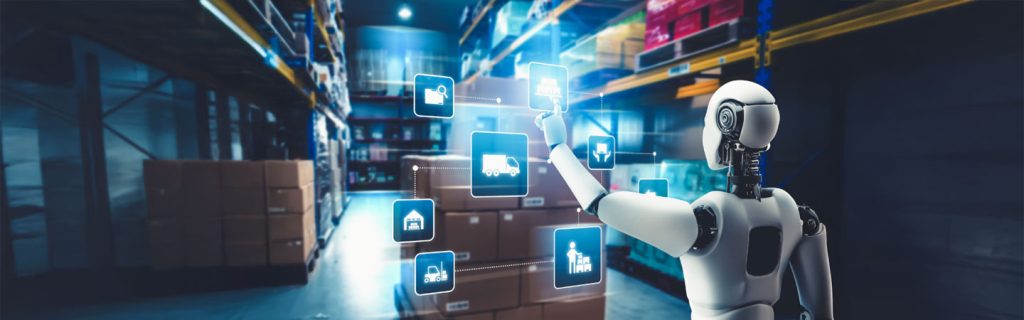
Supply chain visibility platforms generate constant signals, but most cannot translate those signals into decisions. Decklar’s architecture closes this gap with eight types of AI that work together to interpret, predict, and act in real time. Each AI pillar plays a distinct role, but their true value emerges when they operate as a unified decision engine.
Global supply chains operate under constant disruption driven by geopolitical volatility, congestion, climate risk, and multi-tier complexity. While control towers have improved visibility, most still depend on manual intervention, static rules, and delayed response.
Supply chain visibility platforms generate constant signals, but most cannot translate those signals into decisions. Decklar’s architecture closes this gap with eight types of AI that work together to interpret, predict, and act in real time. Each AI pillar plays a distinct role, but their true value emerges when they operate as a unified decision engine.
In the fast-moving world of location technology, accuracy is everything. For companies managing IoT devices, pinning down the exact position of assets often relies on GSM data, using cell tower triangulation.
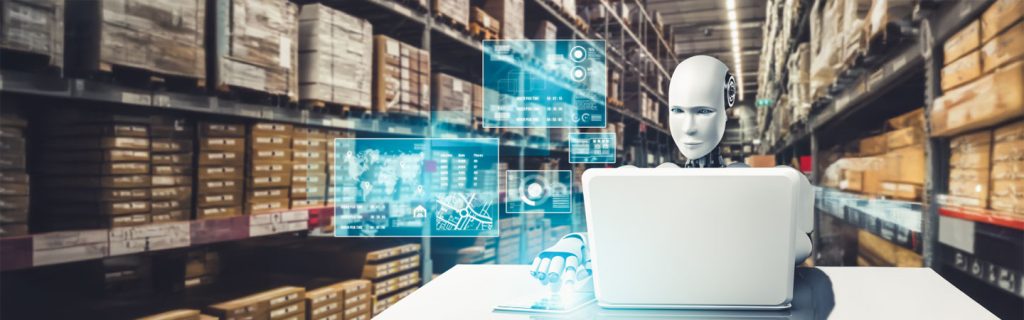
Supply Chain AI is often misunderstood as an automation engine. While AI can automate tasks, its true value lies in its ability to support a full spectrum of decisions—from tactical actions to long-term strategic planning.

Across fifty-three conversations with chief supply chain officers from Fortune 500 and Global 2000 companies around the world in the last twelve months, one message kept surfacing repeatedly: supply chains are undergoing a major mindset shift.

Asset tracking has become foundational to modern supply chains, yet the technology underneath remains fragmented. Most tracking programs rely on proprietary firmware, device-specific logic, and tightly coupled hardware designs that limit flexibility and scale.
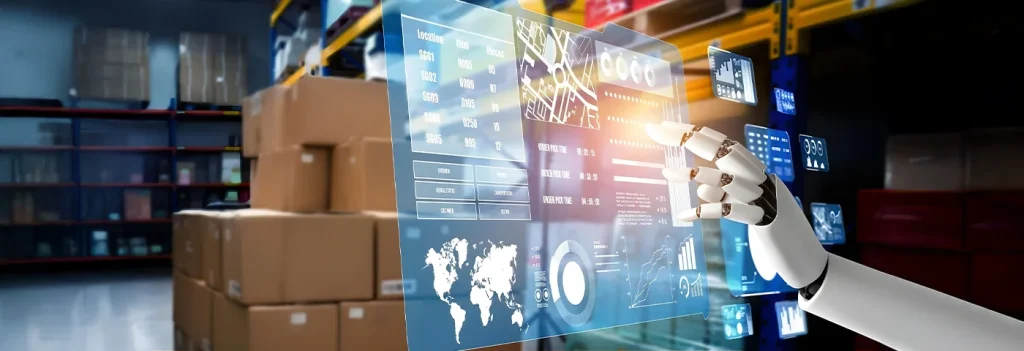
In the fast-moving world of location technology, accuracy is everything. For companies managing IoT devices, pinning down the exact position of assets often relies on GSM data, using cell tower triangulation.
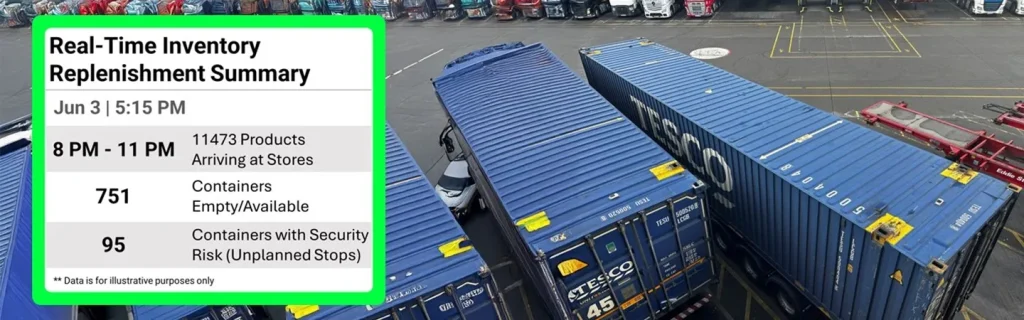
A global CPG leader ships approximately 12,000 loads annually across ambient and cold chain categories in the MEA region including detergents, personal care products, and temperature-sensitive items like ice cream.